Who Are You Without the Title
October 9th, 2026
Thanks for being part of The Growth Catalyst, a newsletter for high-performance, intentional living, and weekly practical ideas to help you build a healthier, wealthier, more meaningful life.
I was about ten years old when my mom first took me into Manhattan. We hadn't long arrived from China, and I remember standing somewhere near Wall Street with my head tipped back, staring up at buildings taller than anything I had ever seen.
Everyone around us was in a hurry, rushing to work or running for the subway. We were walking too slowly, and people kept bumping into us on my left and right. The city felt so big and so busy that I didn't know where to look.
Then I noticed the women walking to work in suits and high heels, moving fast like they knew exactly where they were going. I remember thinking, I want to be successful. I had no idea what success meant back then, but in my ten-year-old mind it looked like being busy, wearing the right clothes and rushing to an important office.
Right behind that thought came a second one. Will I ever be good enough to be here? Growing up as an immigrant kid in Queens, I was made fun of at school for wearing clothes my mom bought on discount at Walmart, and laughed at for my accent. For a long time, that changed how I showed up.
I thought about all of this last week while listening to one of my favourite voices in creativity and branding, Chris Do. Chris asked a question that sounds simple and isn't. Who are you, without your job title?
In partnership with Leadpages
Once you know who you are and what you want to offer, the next question is where people can find it. For most of us that means a landing page, and building one used to mean hiring a developer or losing a weekend to code.
I'm not technical, which is exactly why I use Leadpages. It's the easiest way I've found to turn an idea into a page people can sign up on, whether that's a free guide, a waitlist or a new offer for your personal brand.
Their new AI page builder makes it even simpler. You describe your campaign, and it turns it into a live, branded landing page in about 60 seconds. It then keeps testing new versions in the background and shows you what's working, so you can track every sign-up without guessing.
If you've been sitting on an idea, this is a simple way to put it in front of people this week. You can try it free for 7 days.
Who Are You Without the Title
Chris Do is an Emmy-winning designer and the founder of The Futur. He came to America as a refugee from Vietnam, spoke English as a second language, and spent his childhood, in his words, trying to disappear. He still remembers the shame of being seen shopping at Kmart because his family needed to save money.
From his twenties into his forties, Chris made commercials and music videos and believed that was his purpose. Then the joy ran out, and he realised the work had mostly been about making money. It took a lot of healing, as he put it, to figure out who he really was underneath.
Today he describes his purpose as helping people remember who they were before they learned to fit in. When I heard his story, I felt like he was describing my school days in Queens. It made me think about who I am and how I got to where I am today.
Maybe you have your own version of that story: a job, a label or a version of yourself you've carried for so long it feels like who you are. Here are three ideas from that conversation to help you look underneath it.
1. Features, benefits, meaning
Chris says most of us describe ourselves the way companies sell products. We start with features ("I'm a marketer," "I'm an engineer" etc), then move to benefits, which is what we help people do. But really, that deeper level of who we are comes from a third level, which is meaning.
Side note, if you ever read the book Start with Why by Simon Sinek, this book transformed the way I think about everything that I do and why I do it.
Chris gets to the meaning layer by asking why, again and again. Why do you want to earn a living? To take care of your family. Why is it meaningful for you to take care of your family? Each answer gets you closer to what drives you, and to the people who care about the same thing.
Takeaway: The next time someone asks what you do, try telling them why you do it. It creates a much deeper connection with those who probably resonate with your why.
2. The persona and the real you
Chris believes we are most fully ourselves somewhere between the ages of three and nine (I’ve definitely seen this in my own daughter growing up). Then we learn to fit in, and we pretend to be someone else for so long that we forget who was underneath.
I recognise that in my own story. I spent years trying to blend in, hoping nobody would notice the accent or the clothes. I remember that I wanted so badly to dress like my friends, speak like them and act like what everyone else expected me to be, instead of being proud to stand out and be different.
What I couldn't see back then is that growing up in that concrete jungle of New York City was also building something in me: thick skin, and the resilience I lean on every day, whether it’s a high-stakes meeting room where I was the only woman or being on a stage while feeling like an imposter.
This matters more now than it ever has. As AI takes on more of what we do, who we are becomes the part nobody can copy. A job title can change overnight, while your story, your judgment and the way you see the world travel with you.
3. Find your voice phrase
Chris gives people a quick exercise to start. Write down every word you can think of for how you come across, without editing. If you get stuck, ask yourself how a friend, a boss or a sibling would describe you.
Then pick the three words that feel the most like you and build on each other, and turn them into a phrase of two to five words. His three words were critical, direct and caring, which became hard truths gently told. A photographer friend of his chose flamboyant, playful and vulnerable, which became big energy, open heart.
When I tried this myself, my three words were empathetic, giving and creative. Together they became feel deeply, create generously, which felt like exactly why I started this newsletter and my business of helping others unlock their potential and build new skills in the future of work that we are stepping into.
Takeaway: Your phrase becomes a compass of your life in this season of life. If something you make doesn't sound like it, it probably isn't you.
This Week's Challenge
Take ten minutes this week to find your voice phrase. Write down the words, pick your three, and shape them into a short phrase.
Then hit reply and send it to me. I'd love to read yours, and I read every single one.
Who would you be if nobody could see your job title?
To your real self,
Laurie 🙌
Concept Corner for This Week
The Trust Triangle
Frances Frei and Anne Morriss, writing in Harvard Business Review, describe trust as resting on three things: authenticity, logic and empathy. Authenticity means you are who you say you are. Logic means people can follow how you think, and empathy means they feel you're looking out for them.
Chris points out that authenticity sits at the top, even though this word has been thrown around so much online that it sounds cliche. When people sense a gap between your persona and the real you, logic and empathy can't hold the trust up on their own.
By the way, if you want to start discovering your own authenticity and who you truly are, I made a free set of 20 personal growth and reflection journal prompts. You can get them here.
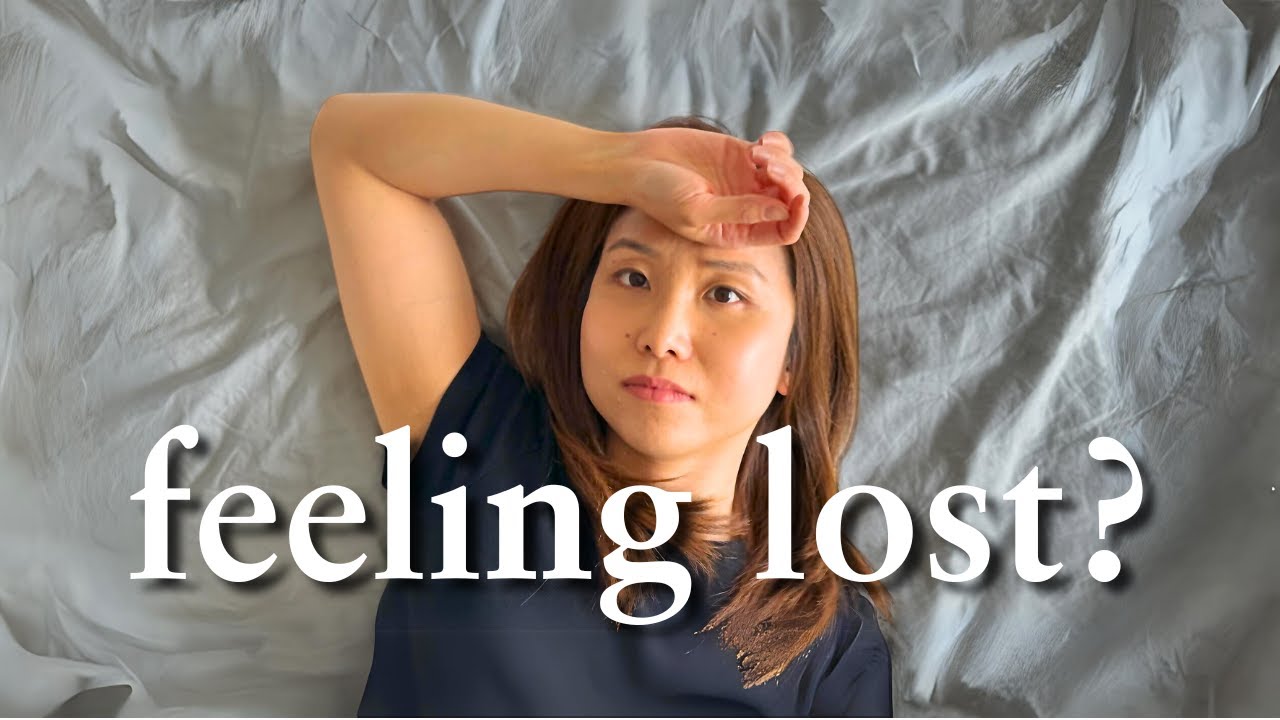
This is one from the archives, but I really did feel that I made this video for the younger Laurie back then who was frustrated that she couldn’t “find” her passion. In this video, I shared the process that helped me stop searching and start living as my true self.
You can watch the full video here.
Thank you for being part of this growing newsletter community!
|